Why does a toilet flapper seal well at first but start leaking after some time?
June 03, 2026
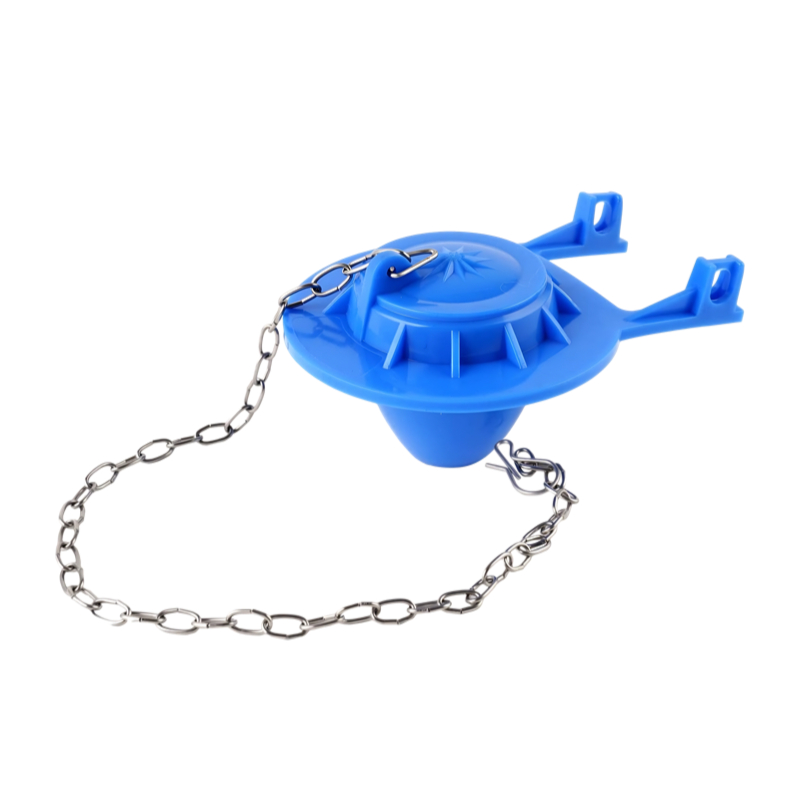
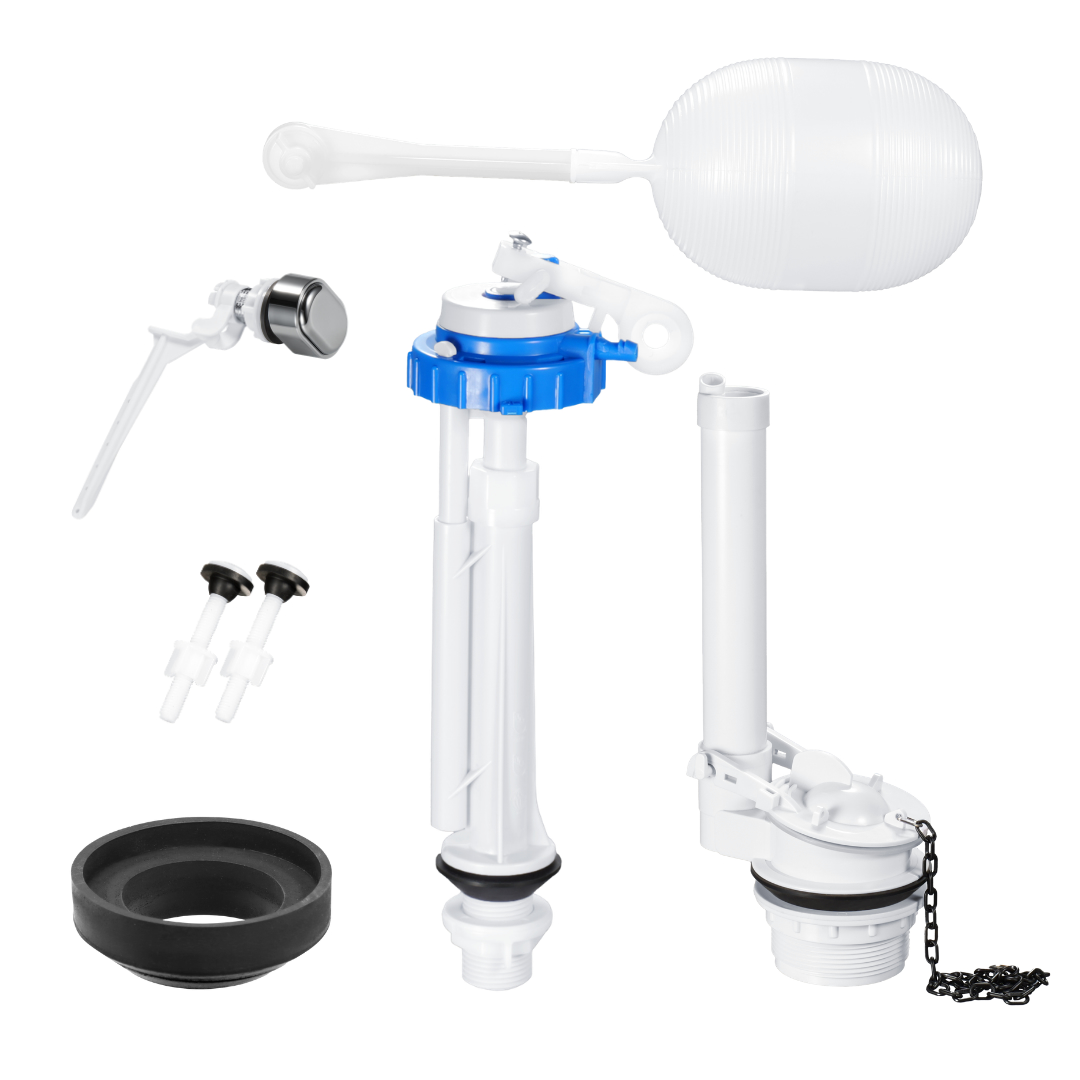
This is a common situation because a toilet flapper has a limited service life. During daily use, the flapper material slowly ages, hardens, or loses flexibility. After some time, it may no longer seal the flush valve outlet properly, causing water to leak from the tank into the toilet bowl.
The material of the flapper is very important. PVC flappers usually have a shorter service life, while rubber or silicone flappers often provide better durability and longer sealing performance. Water quality can also affect aging speed. Hard water, chemicals, or poor water conditions may shorten the life of the flapper.
In some cases, leakage may also be caused by unstable product quality or poor manufacturing control. If the material is not reliable, the flapper may age faster than expected. Another possible reason is deformation during transportation. If the flapper or sealing part is squeezed for a long time, it may lose its original shape and fail to seal the drain outlet properly after installation.
When choosing a replacement toilet flapper, pay attention to the material, flexibility, sealing surface, and packaging condition. A better-quality flapper can help reduce hidden leakage and extend the repair cycle.
Wenn Sie an unseren Produkten interessiert sind und weitere Details wissen möchten, hinterlassen Sie hier eine Nachricht, wir werden Ihnen so schnell wie möglich antworten.